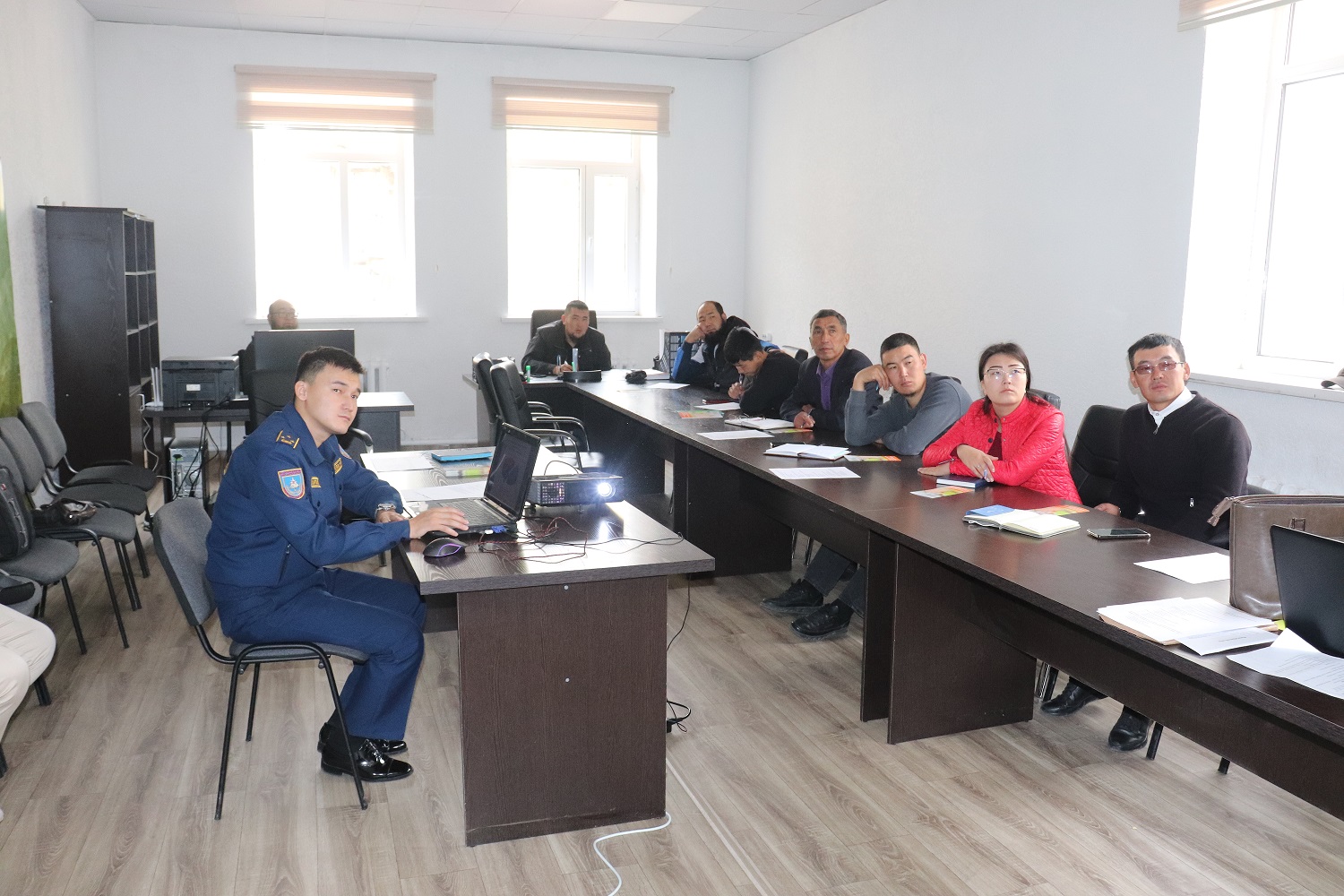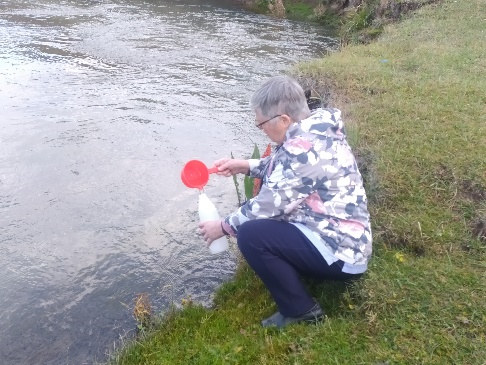
Training for PAs (Protected Areas) Staff of Osh and Batken Regions
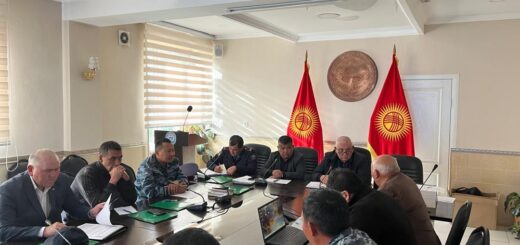
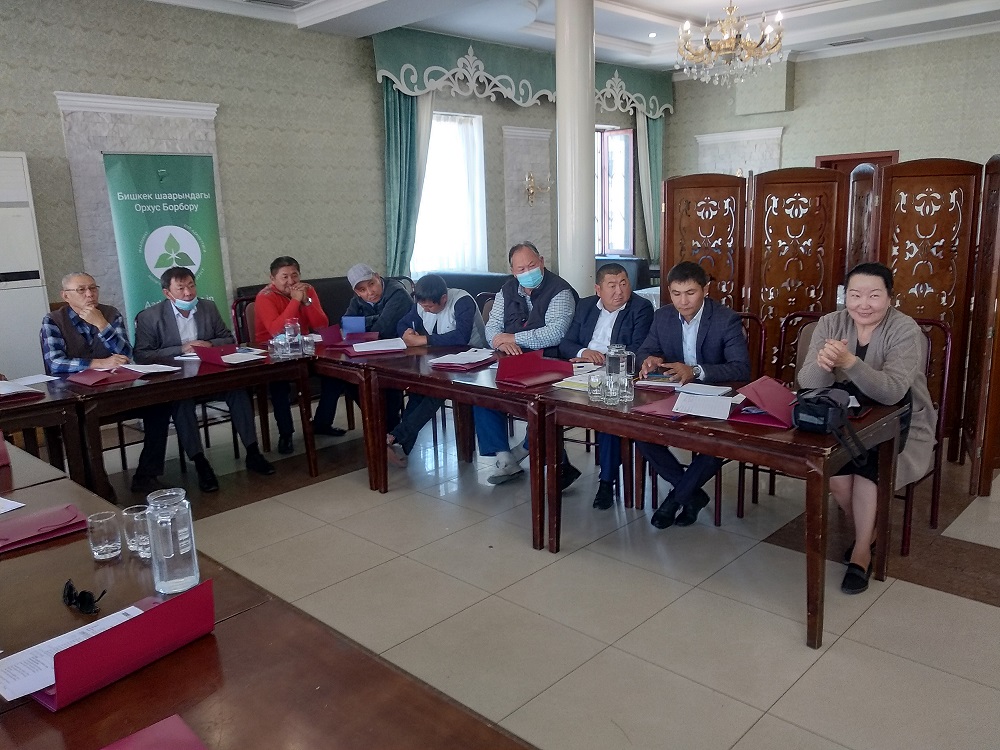
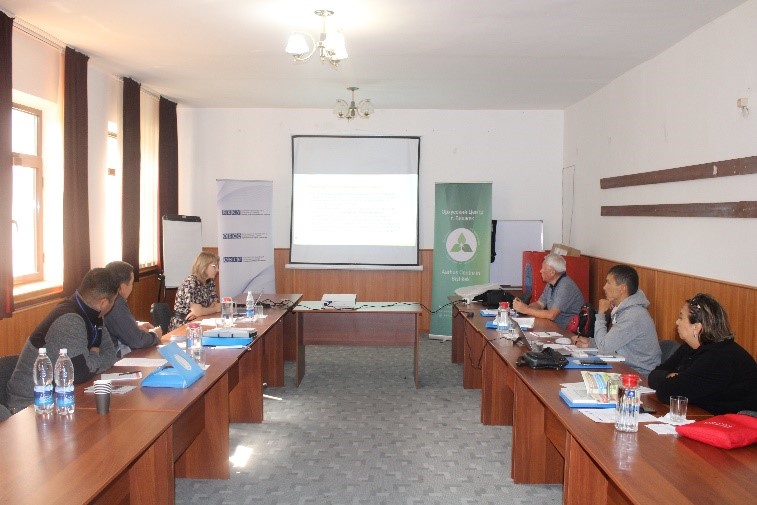
From June 15 to 17, 2026, the Aarhus Center in Osh, in cooperation with the Regional Departments of the Ministry of Natural Resources, Ecology and Technical Supervision of the Kyrgyz Republic for the Osh and Batken regions, conducted a training session titled: “Capacity Building in Detecting and Preventing Violations of National Legislation on Specially Protected Areas (PAs).”
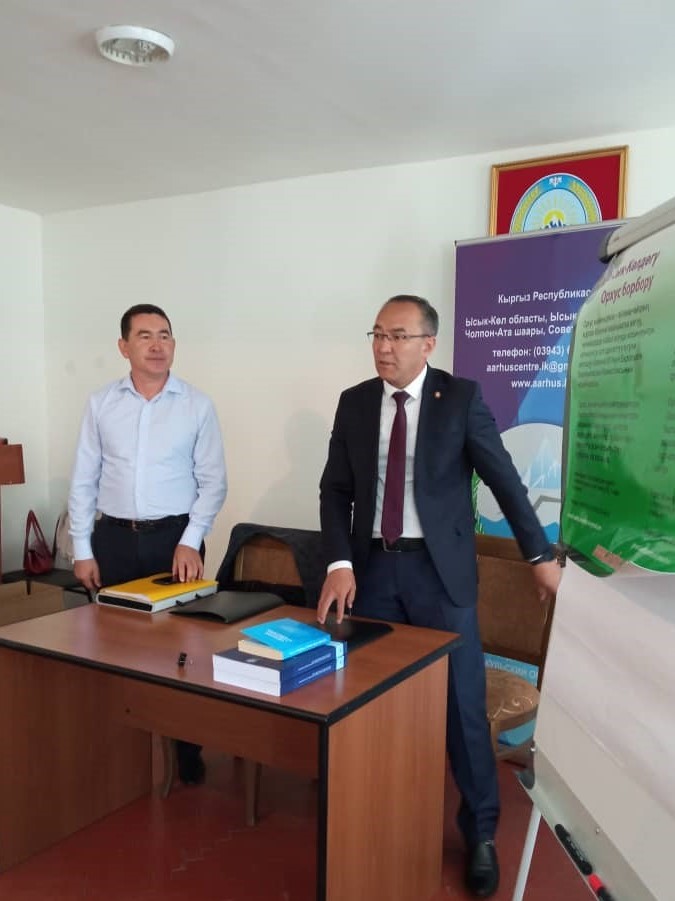
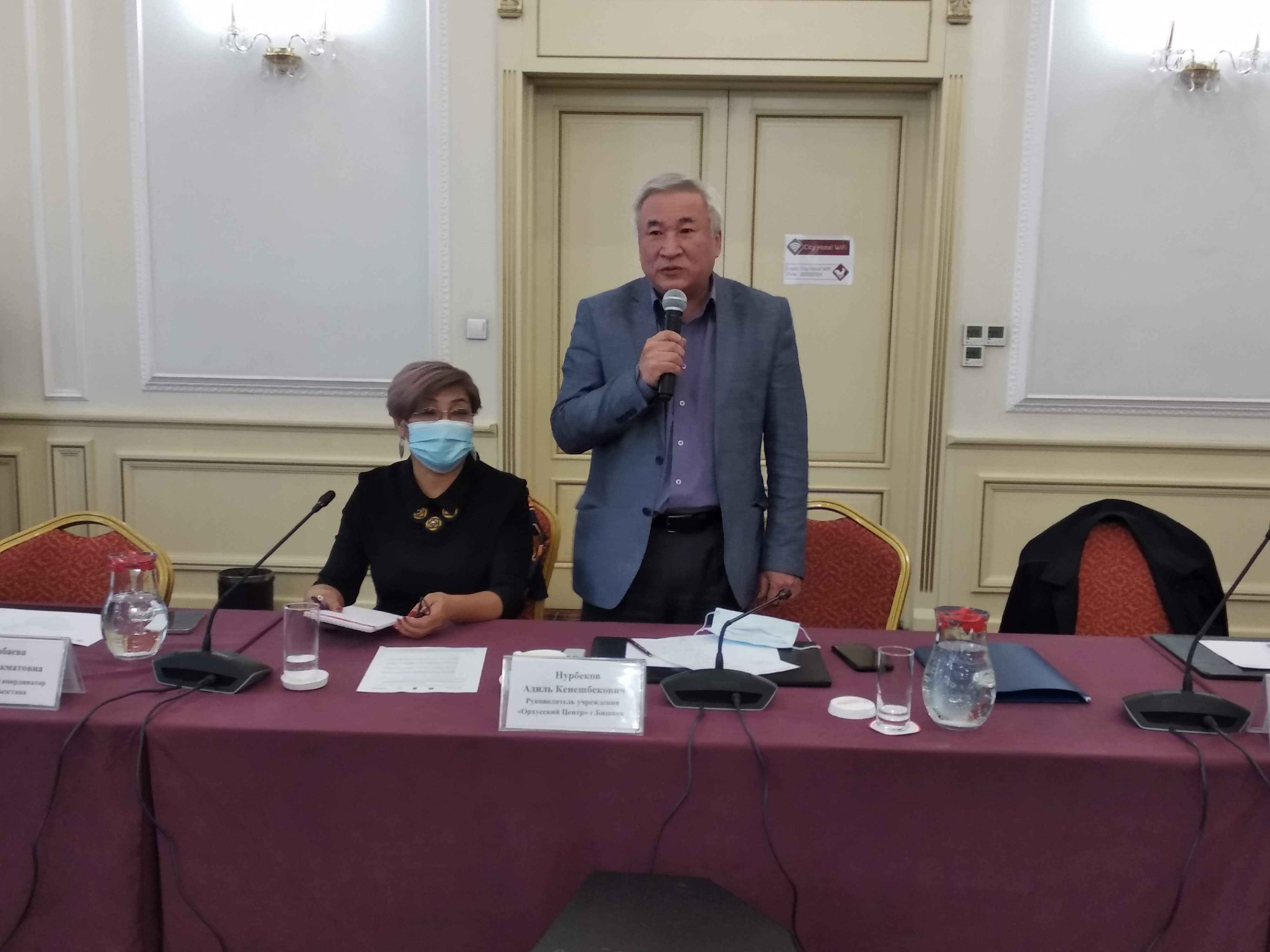
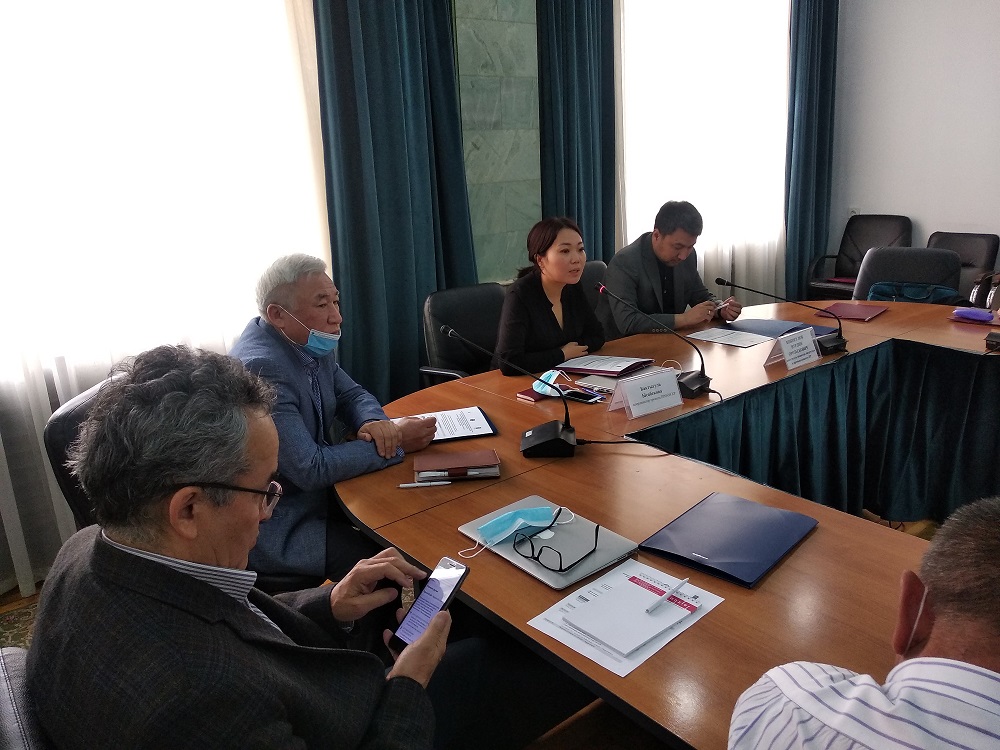
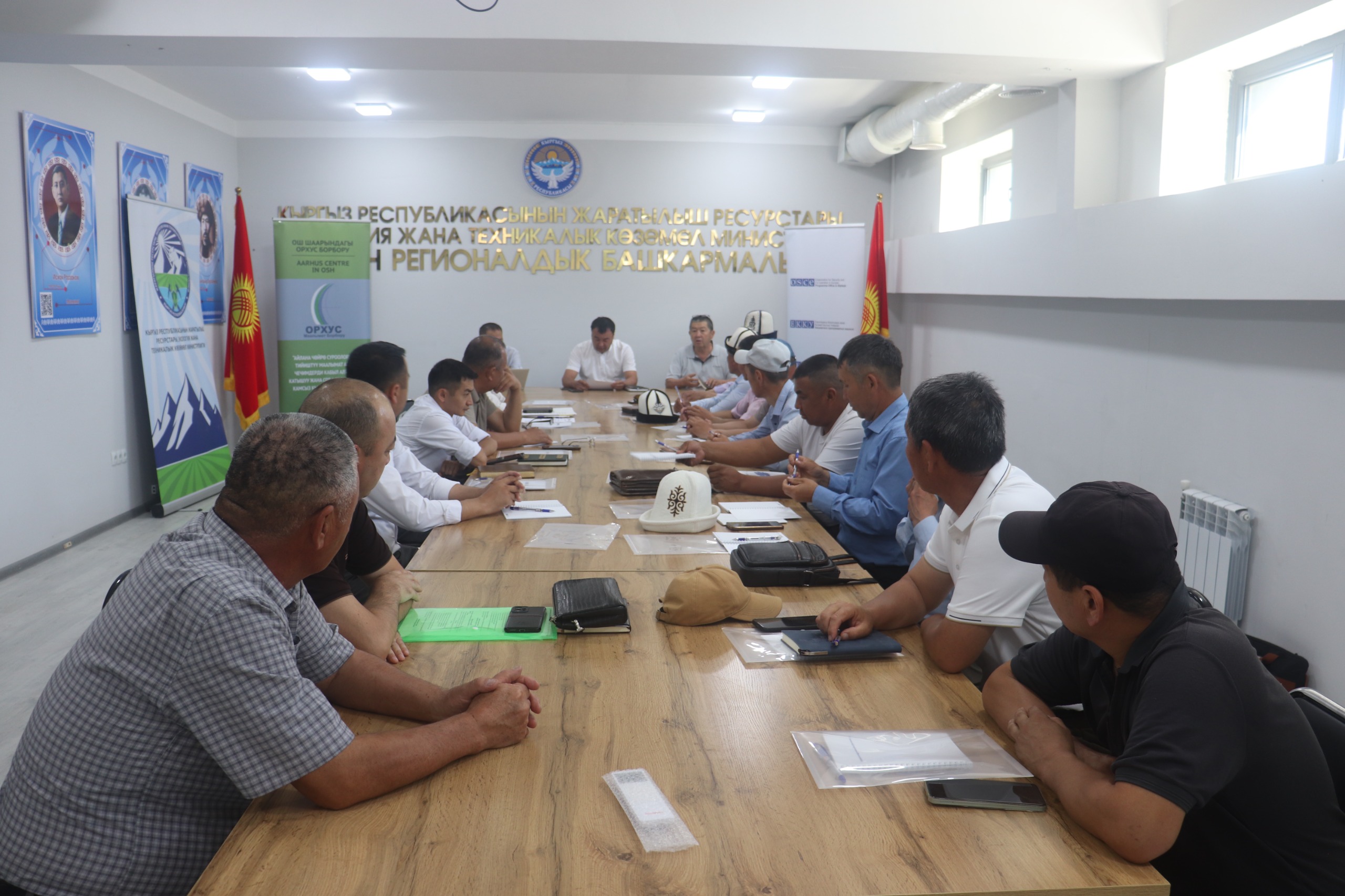
Opening remarks were delivered by K. Isabaev, Director of the Aarhus Center; M. Osmonov, National Advisor to the OSCE Programme Office in Bishkek; and the heads of the regional departments for the Osh and Batken regions. In their speeches, they emphasized the significance of the event and noted that enhancing the professional and legal knowledge of PA staff remains a highly relevant task under modern conditions.
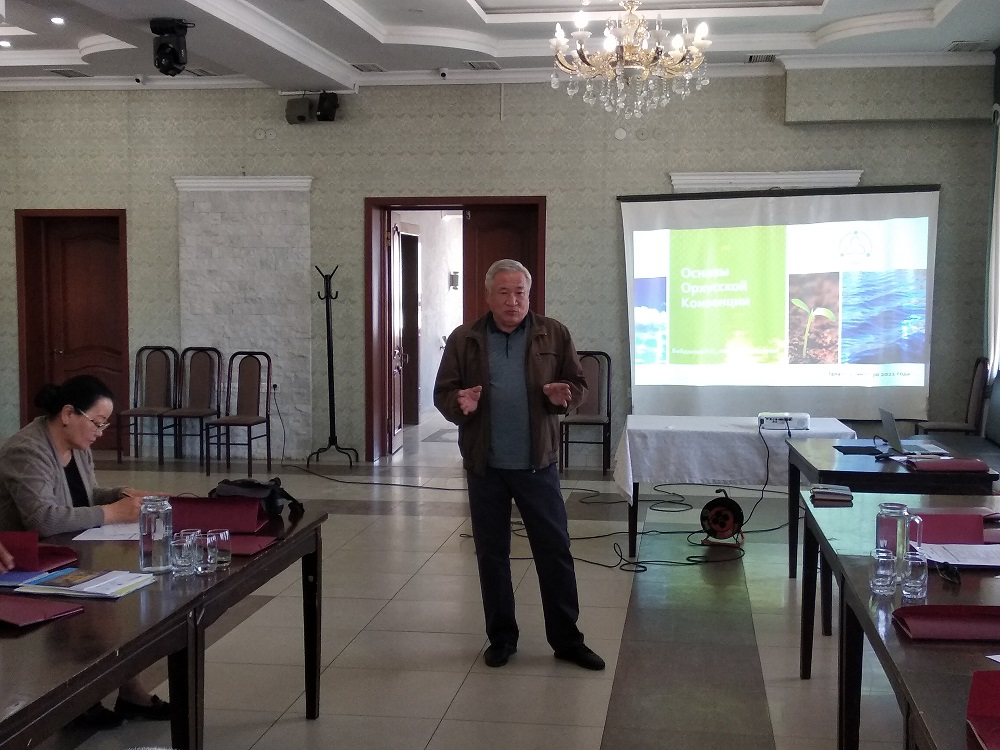
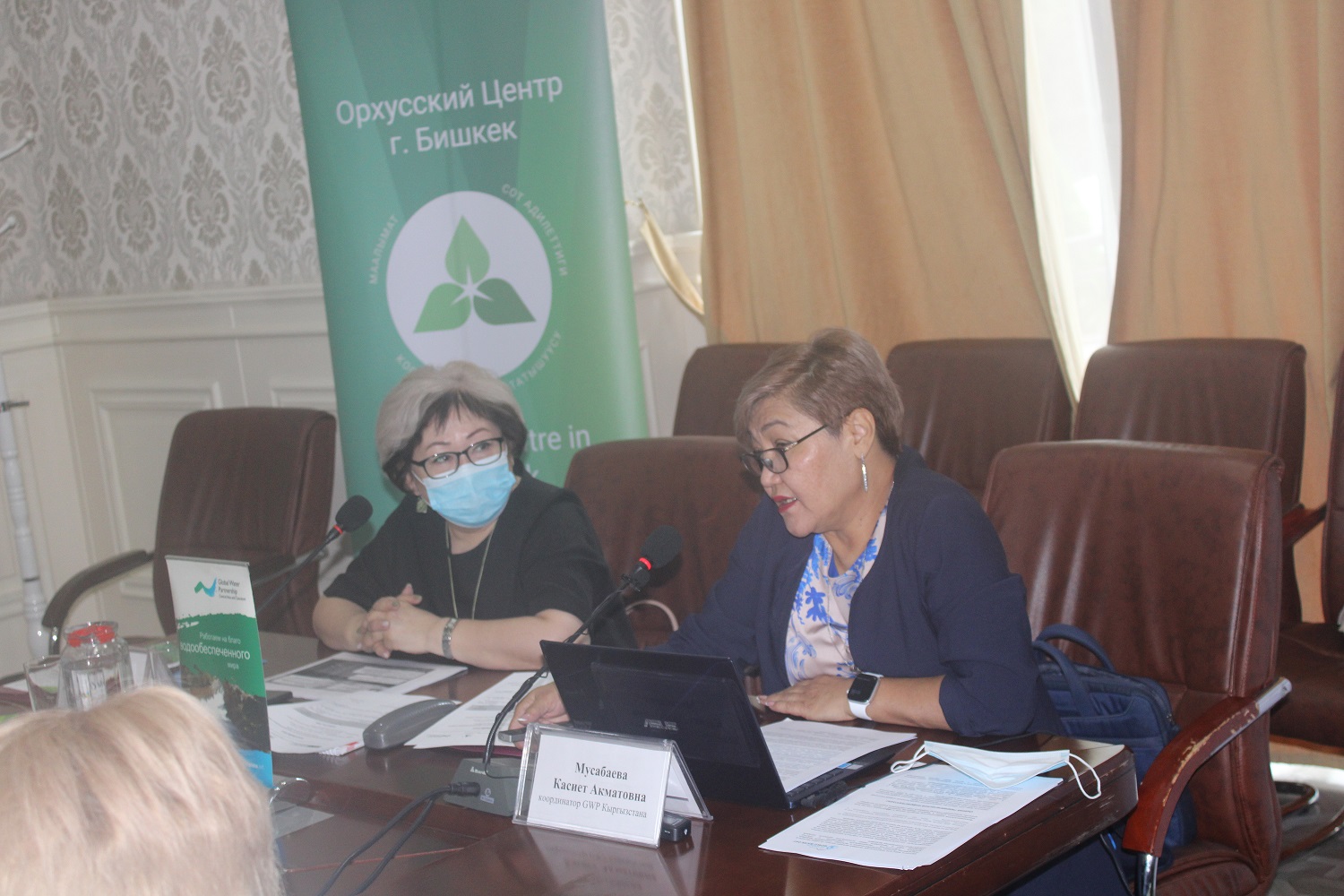
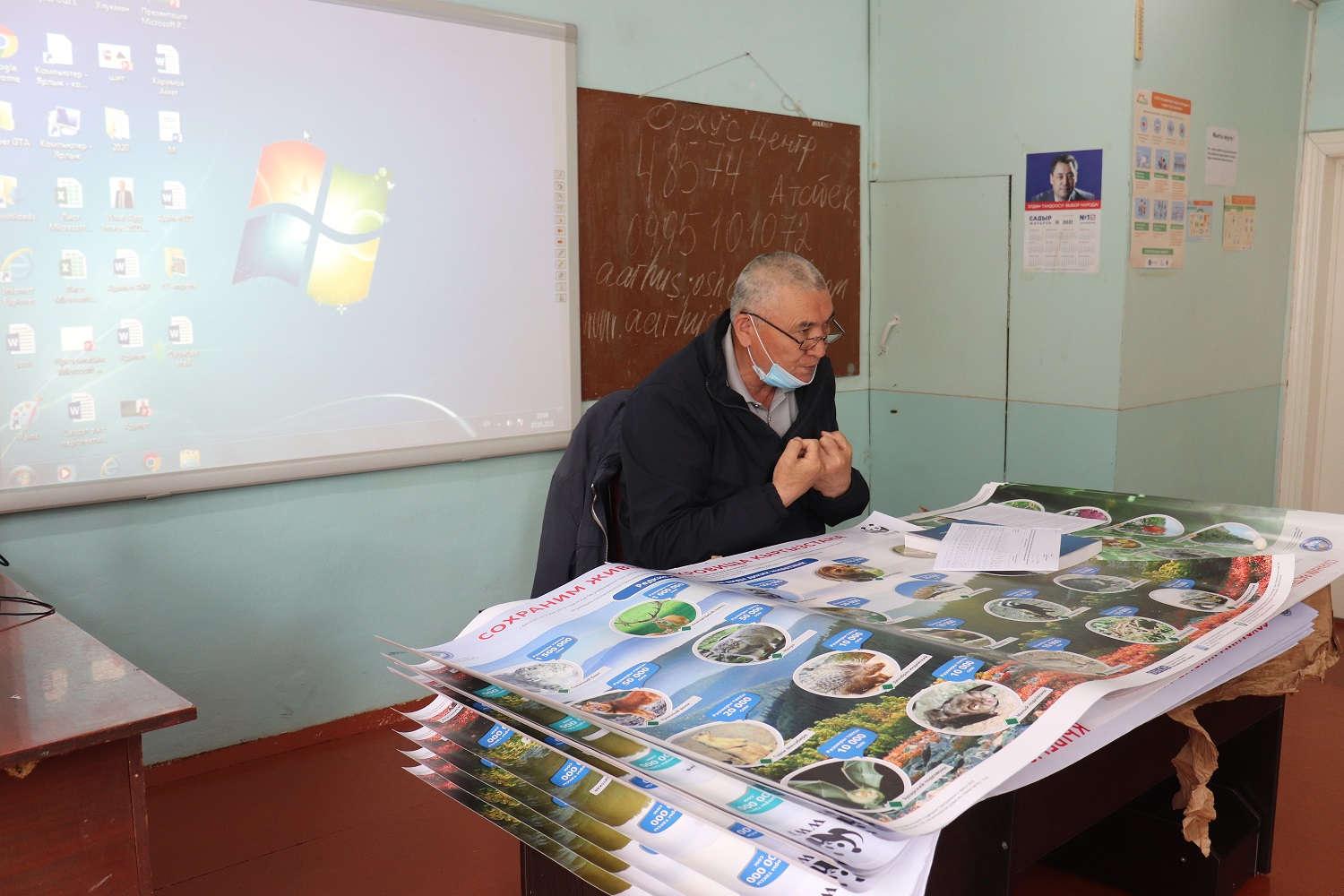
During the training, PA expert T.Ө. Satymbaev delivered presentations on the following topics:
General information on PAs in the Kyrgyz Republic;
National legislation in the field of PAs and its main requirements;
Crime prevention and raising public awareness;
Improving the legal literacy of PA employees;
Application of national and international standards;
Identification and documentation of legislative violations;
Climate change and specially protected areas.
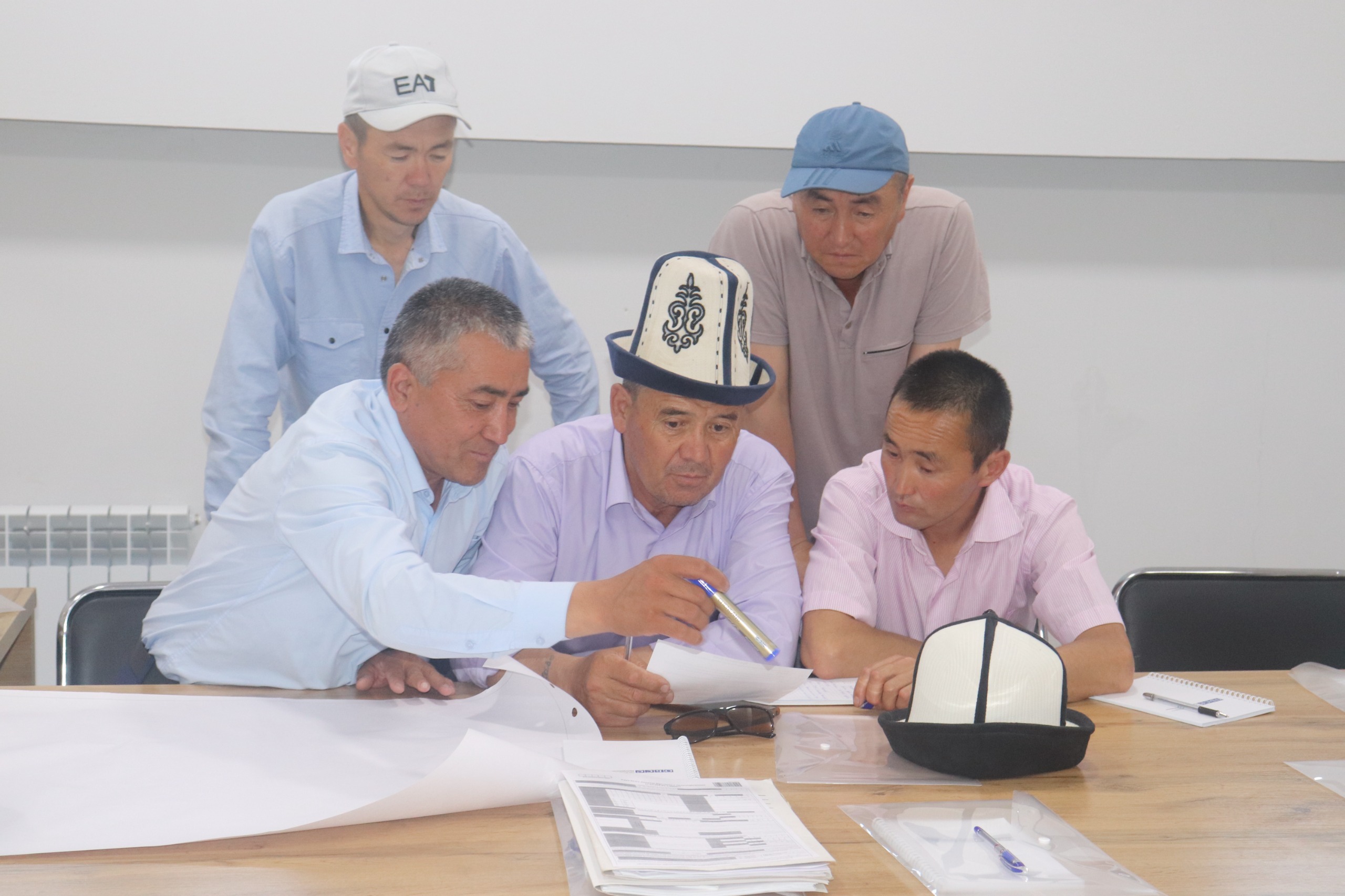
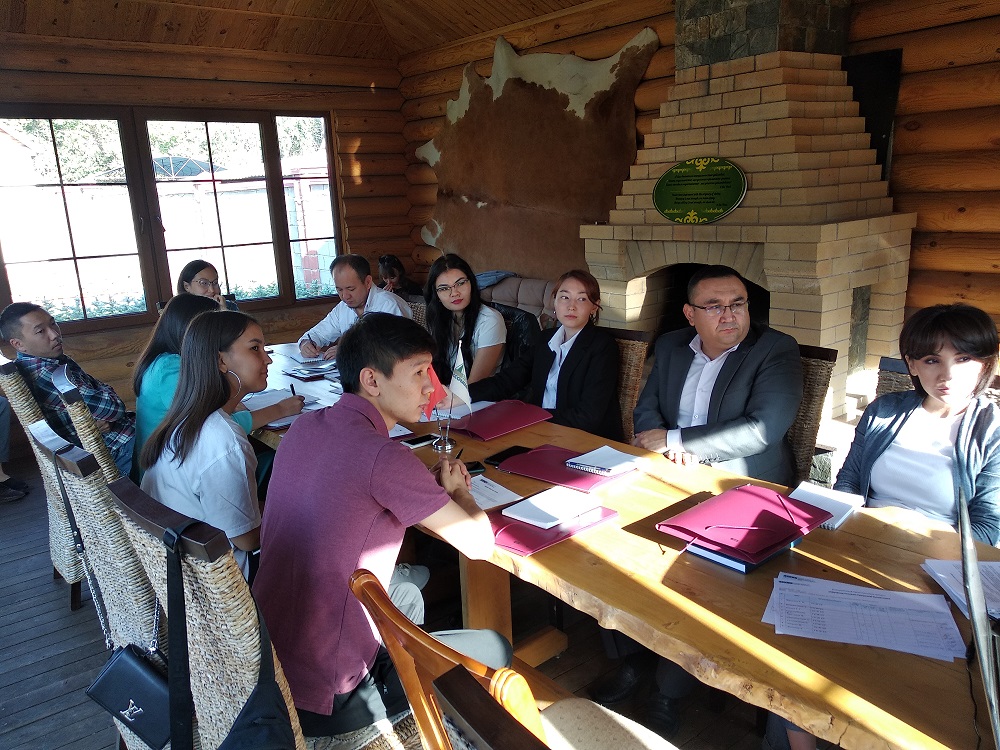
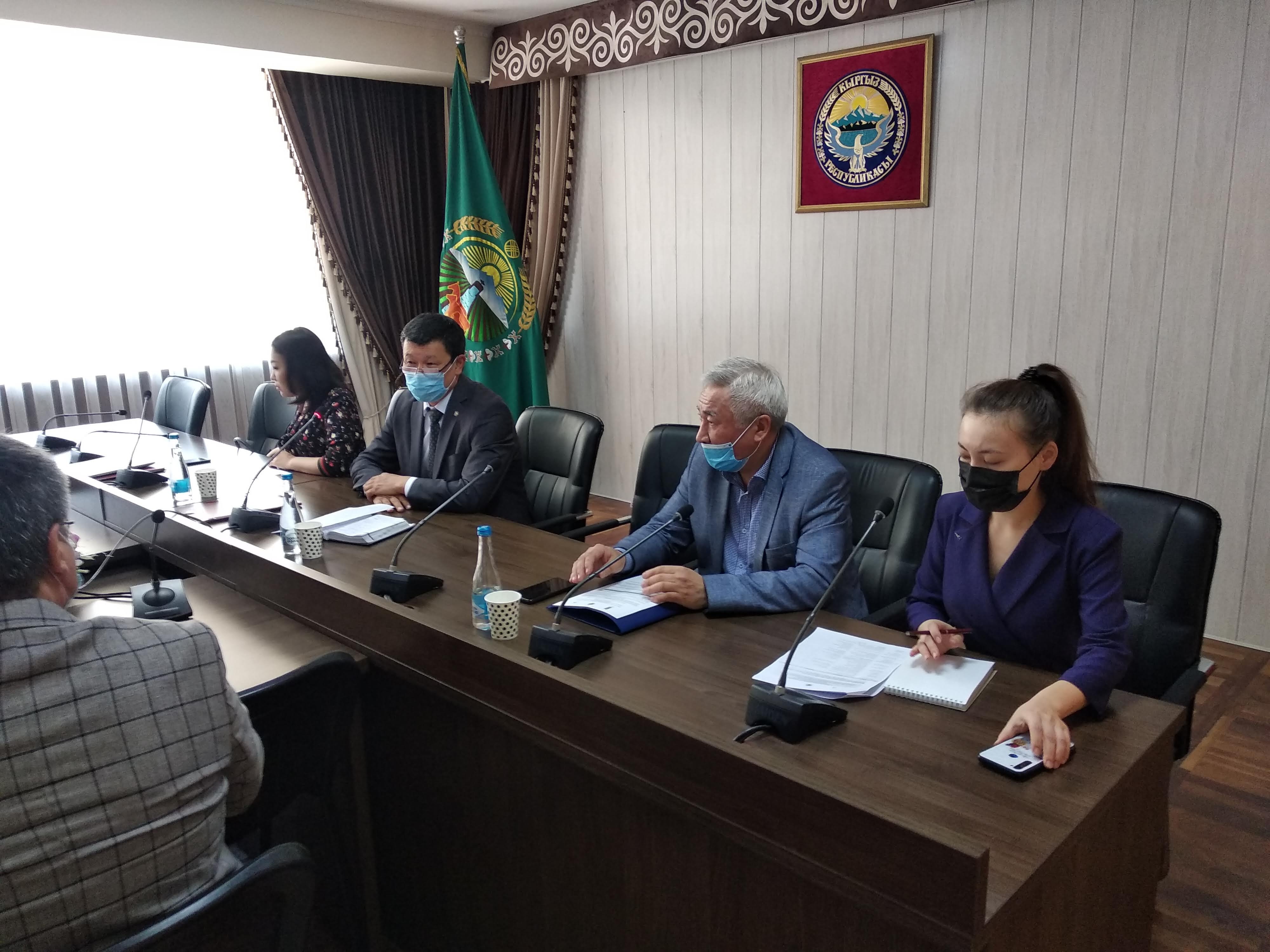
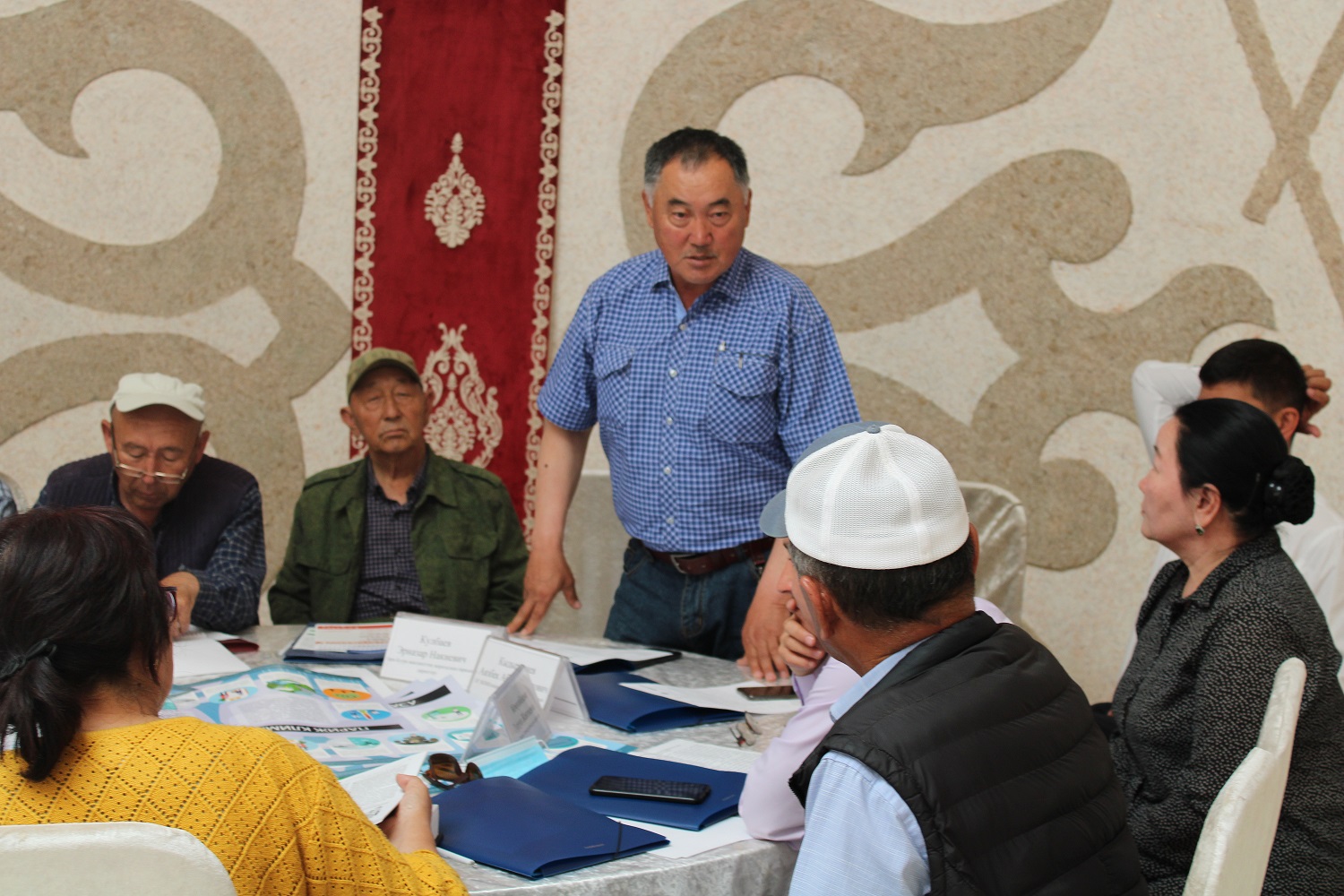
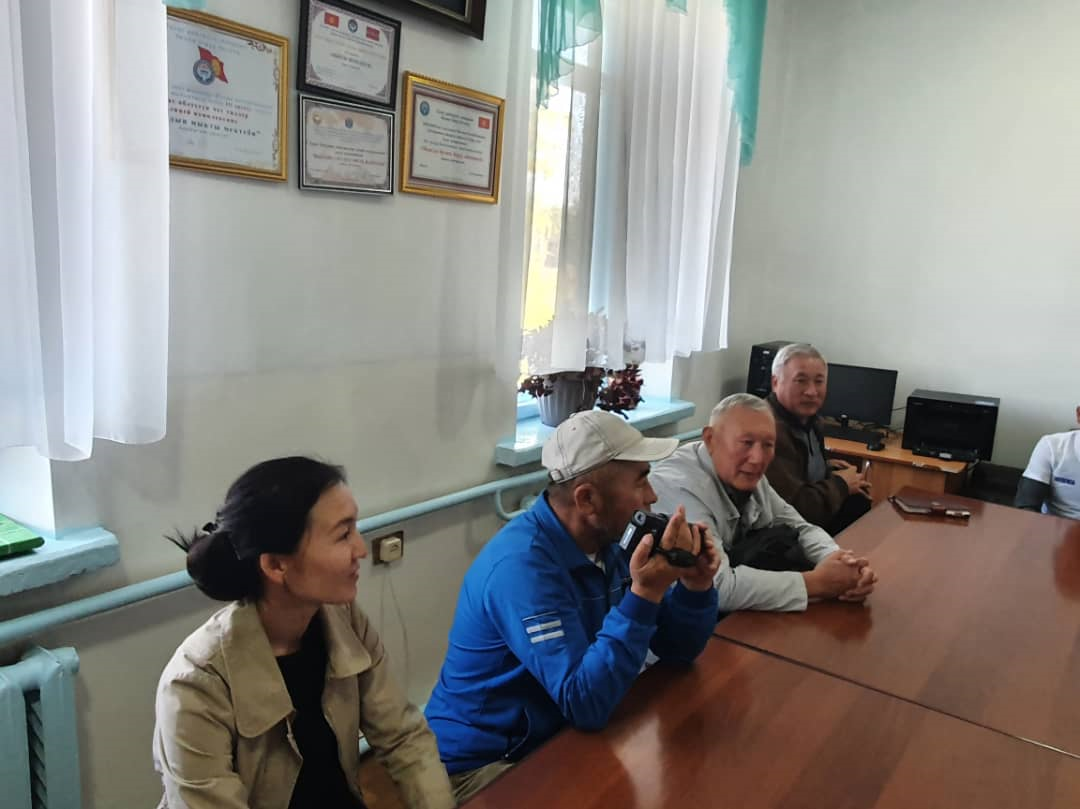
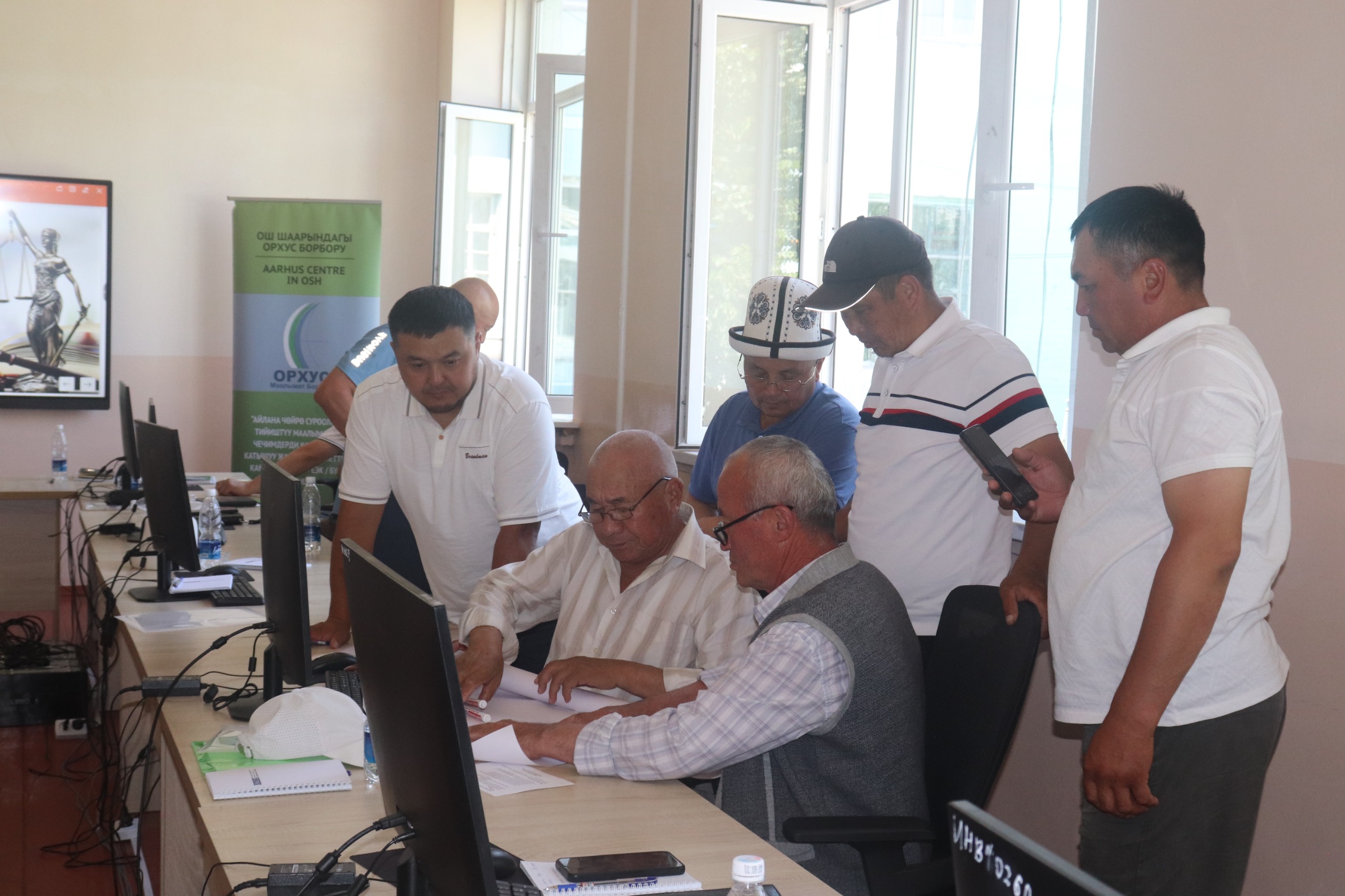
Furthermore, practical exercises and group work sessions were organized as part of the training, allowing participants to improve their skills in properly drafting protocols and official violation acts. Interactive discussions followed each presentation, where participants shared their experiences and insights, contributing to a meaningful and productive training session.
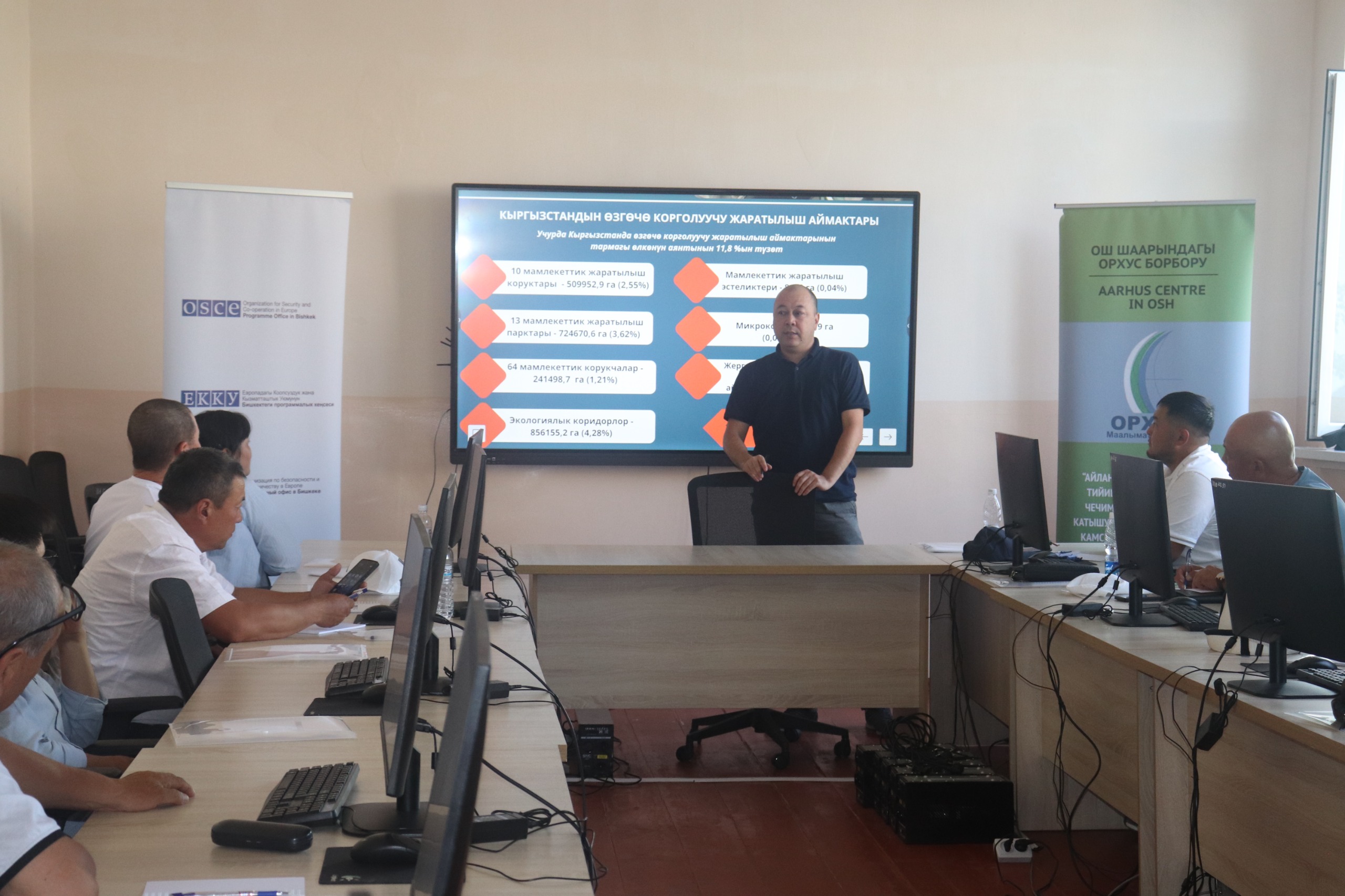
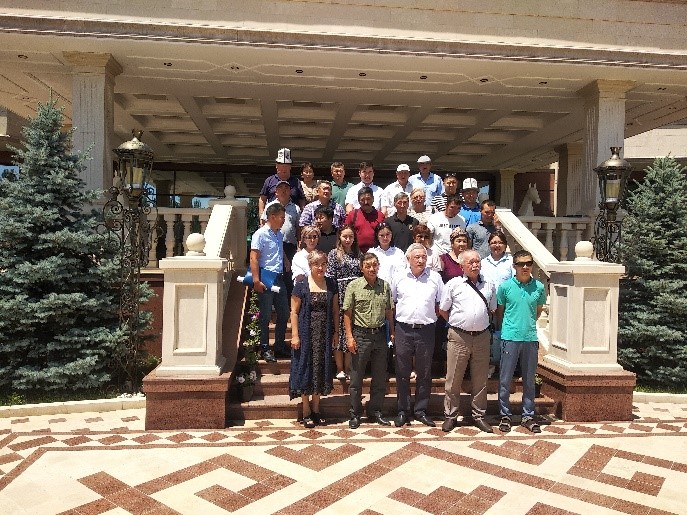
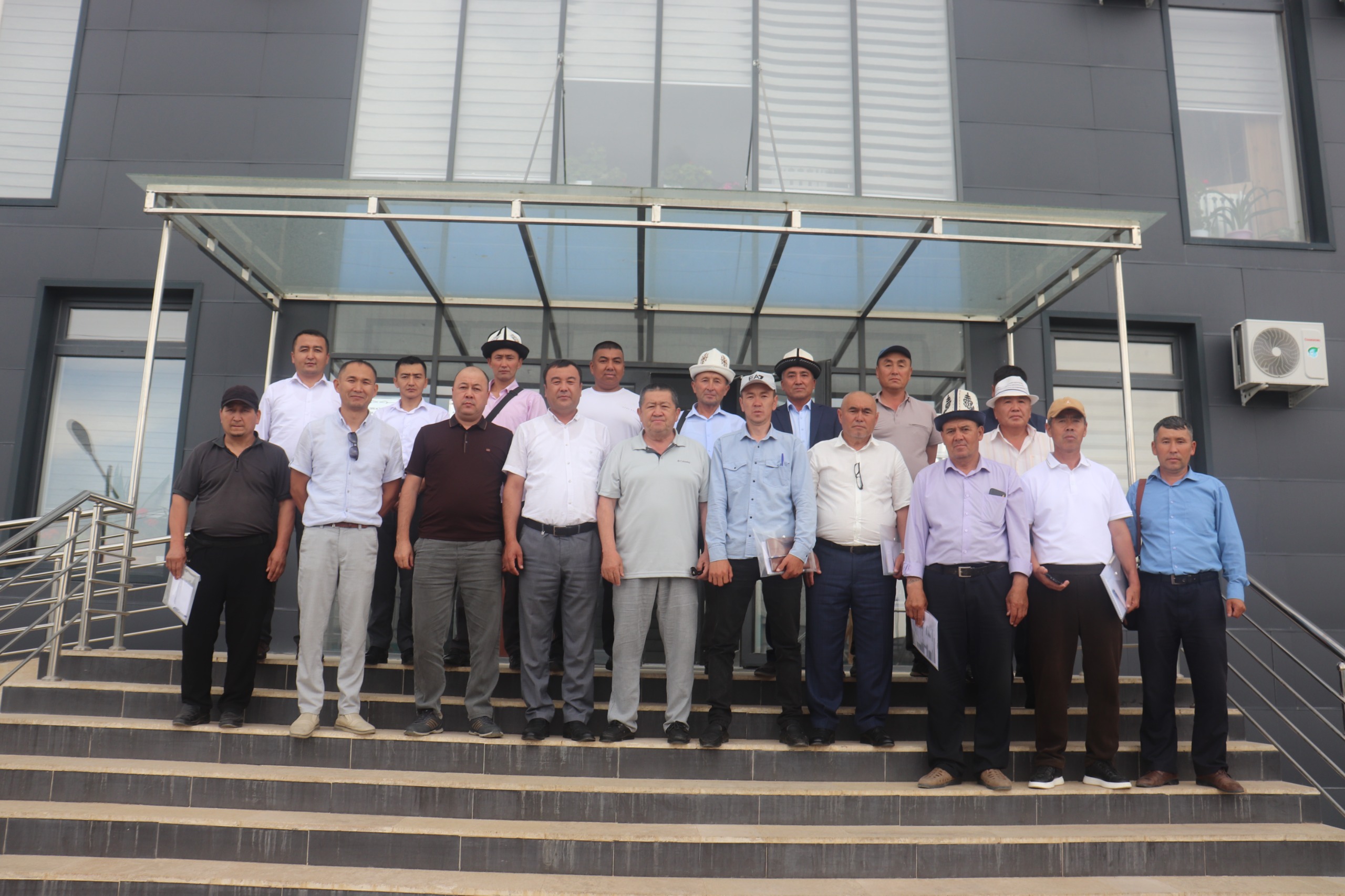
The training was attended by employees from several specially protected areas, including the Kara-Shoro National Nature Park (NNP), Kulun-Ata State Nature Reserve (SNR), and Kyrgyz-Ata NNP from the Osh region; representatives from the Surma-Tash SNR and Sarkent NNP from the Batken region; as well as staff members from the regional environmental departments.
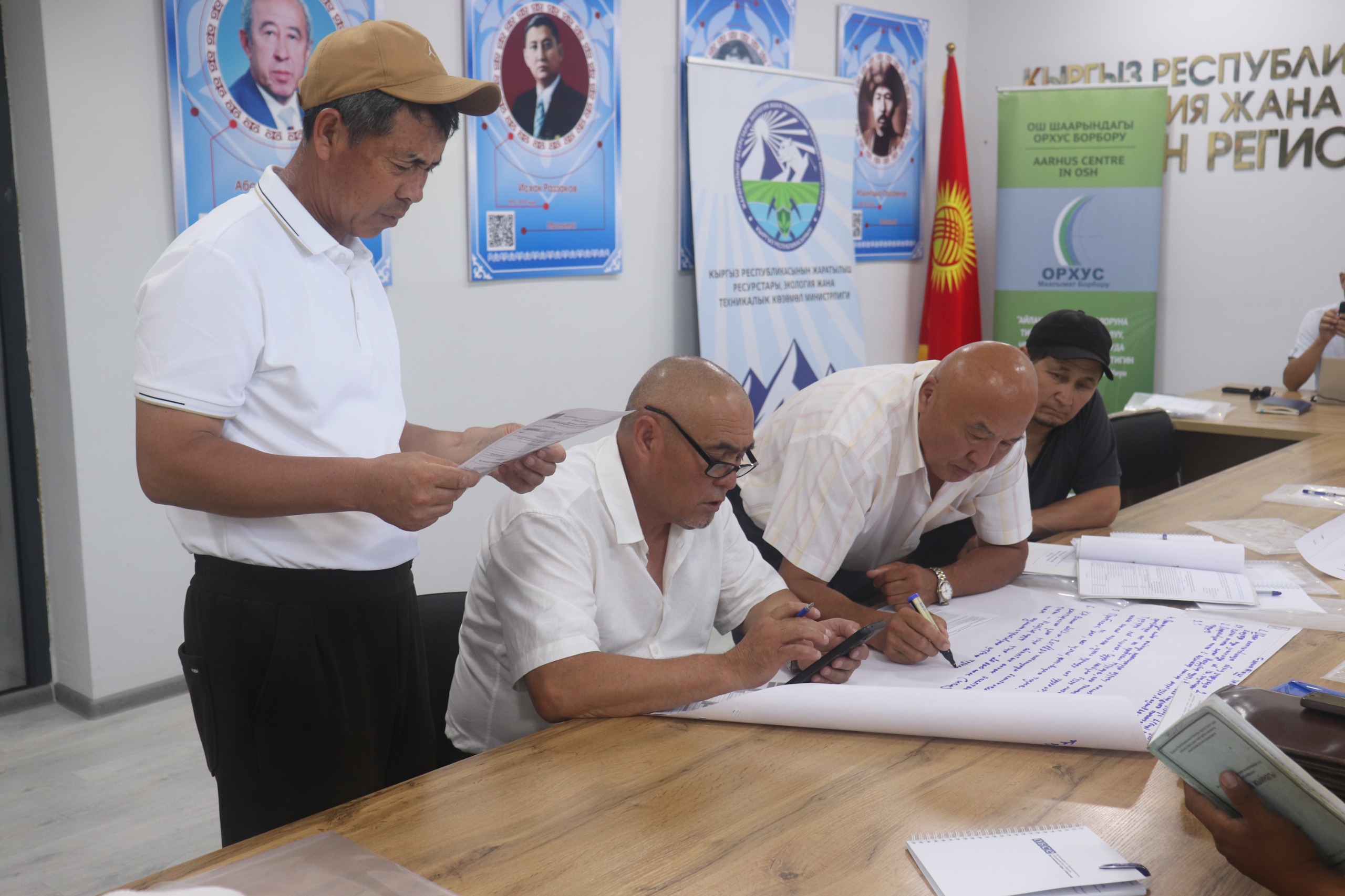
In the concluding part of the event, participants put forward a number of proposals. Specifically, they suggested providing state inspectors with official identification cards, special uniforms, and satellite communication equipment. They also requested increased funding for scientific research within reserves and parks, and recommended equipping every inspector and employee with a first-aid kit.
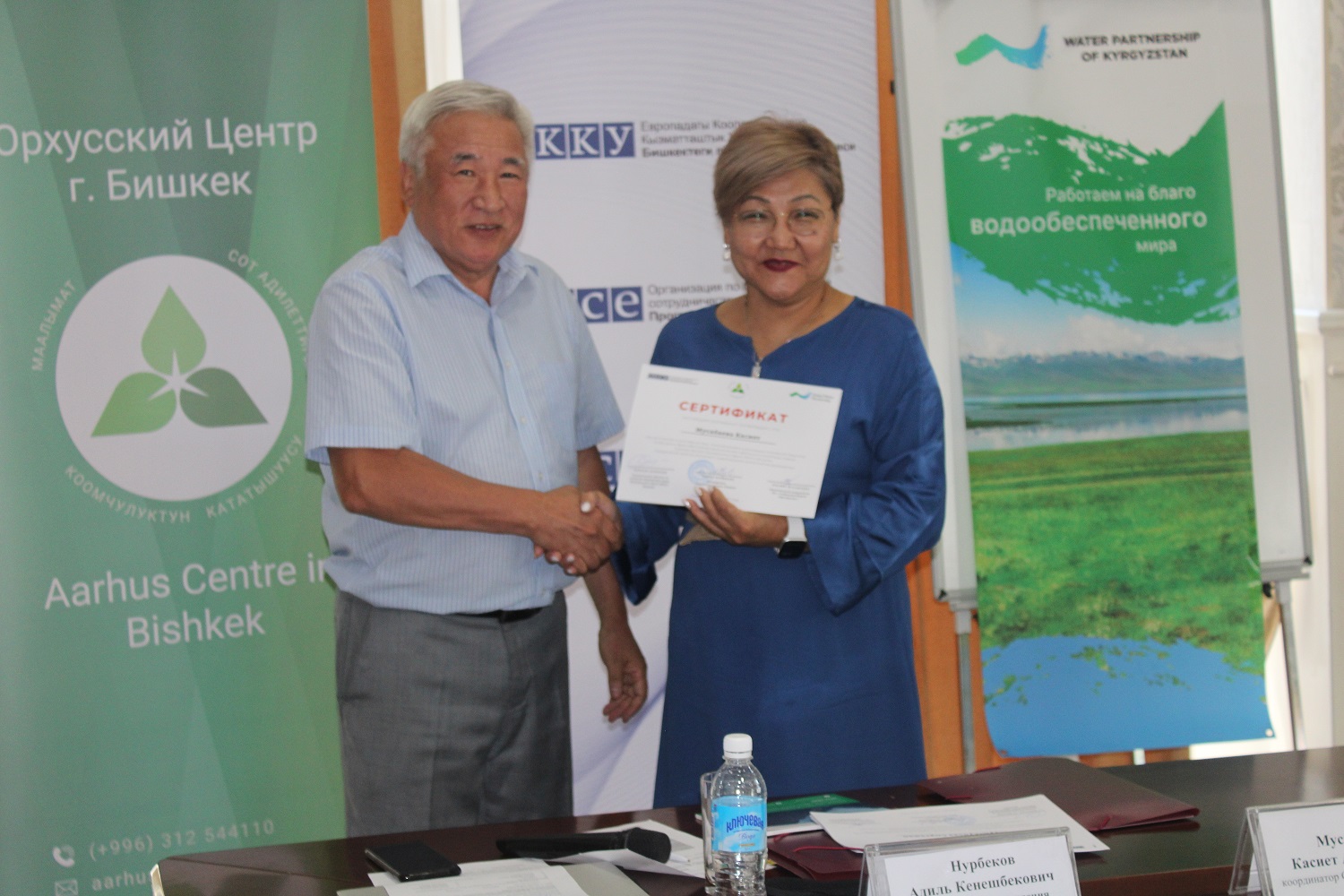
Participants noted that the training served as an excellent platform for exchanging experiences and improving professional qualifications. At the conclusion of the event, all attendees were provided with electronic versions of the relevant laws and regulations, alongside templates of protocols and acts for further use in their field activities.
Reported by Jumabek Kubanych uulu, Specialist at the Aarhus Center.